

Baby Boomers, Gen Shifts, and Legacy

Shifting my focus from the article on Debt, Trains, and Settlements, I decided to check out the Los Angeles County Budget website, specifically the LA County CEO’s Real Estate Division. It’s pretty interesting to see where they’re prioritizing funds, especially when it comes to supporting what keeps our local economy going. While a deep dive into the numbers is best left to the experts, conversations around its allocations and impact are definitely up my alley.
Sticking to what I know, I noticed a few key areas in the budget intended to support commercial real estate and the businesses that operate within it:
- Los Angeles County Development Authority (LACDA): This authority often spearheads projects to improve commercial areas and attract businesses.
- Measure A Funding: These funds are allocated towards community revitalization projects, which can positively impact local businesses and properties.
- Los Angeles County Department of Economic Opportunity (DEO)
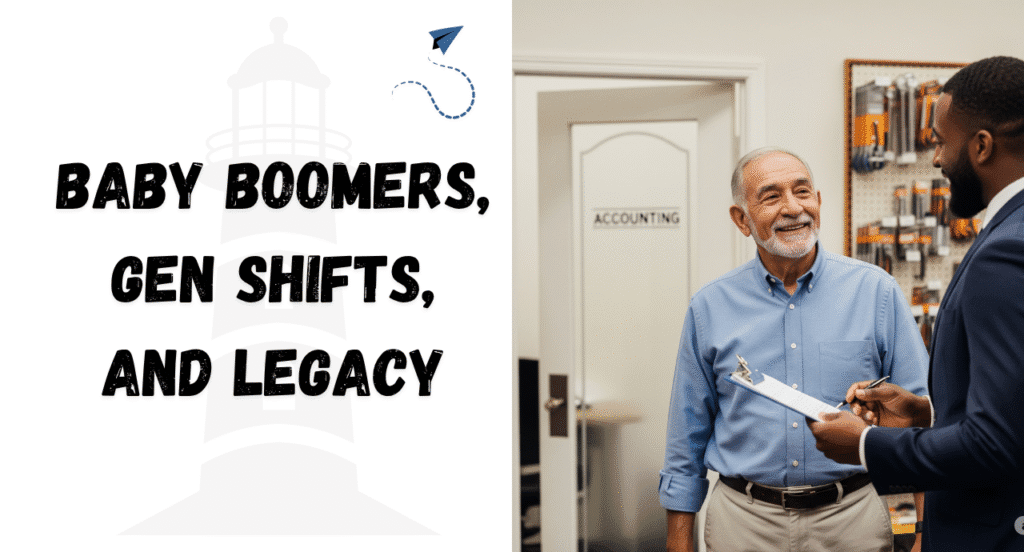
Let’s elaborate a little on the DEO. The City created this role a couple of years ago and appointed Kelly LoBianco as its first Director of the LA County Department of Economic Opportunity (DEO). The DEO also partners with Project Equity – a philanthropic initiative that helps business owners explore selling their businesses to their employees, also known as employee ownership. Project Equity assists business owners in determining their business’s fair market value and developing a strategy to best facilitate the transaction. This seems particularly relevant given the number of baby boomers considering their next steps.
It makes you wonder, as business owners and property professionals, are we prepared for this shift? And how might we need to adjust to stay relevant in a tech-focused world while also maintaining familiarity and accessibility for our aging community?
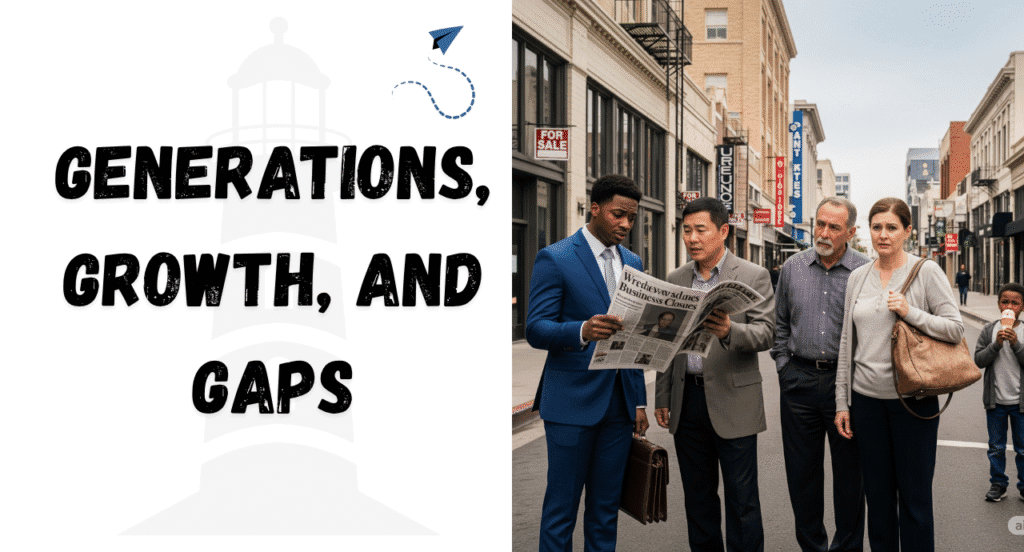
As we navigate this generational shift, we also need to consider the evolving needs of the middle generation – those in Gen X and potentially older millennials – who may find themselves caring for aging baby boomer parents. Emerging businesses can benefit from being mindful of these eldercare responsibilities, offering suitable services or opportunities to keep this experienced demographic engaged, recognizing the wealth of life experience they can pass down.
Furthermore, the significant increase in autism cases is a critical factor. The CDC’s 2020 report,1 in 31 children in the U.S. has autism, up from the previous rate of 1 in 36. This demographic shift will undoubtedly influence the needs and expectations of the next generation as employees, business owners, and consumers. As I spiral, I must say, I am also concerned about the long-term effects of fentanyl. What are the long-term physical and economic consequences? As a community, are there proactive plans to mitigate these effects for the next generation? I digress.
How will our buildings and businesses adapt to be welcoming and inclusive of our community and aging baby boomer parents? This includes considering sensory sensitivities in the design of commercial spaces, creating supportive and understanding work environments, and developing products and services that cater to their evolving and diverse needs, as these groups will continue to represent a significant demographic for years to come.



Responses